
Red wine – a drink of millennia
"Wine is sunlight, held together by water" - Galileo Galilei
The color red – love, passion, life
But why is red wine red? We might think – why wouldn't it be? Isn't it made from red grapes? We hasten to reveal the secret – it's not quite so! The red color of wine is actually due to compounds called anthocyanins. These compounds can be found in many plants – blueberries, radishes, blue flowers. It is through these compounds that all the shades of reddish, purplish, and blue that we see in nature are created. Why? Because plants are incredibly smart! Their colors are part of the evolutionary game of survival! Bright colors attract specific insects and birds that participate in the processes of pollination and seed dispersal. This is an example of beauty that is strongly linked to the ability to survive. An interesting fact is that in natural mutations, these genes are altered, and the skins are not colored, or the color is different (e.g., pink). This is the case, for example, with Pinot Noir, Pinot Gris, and Pinot Blanc – genetically they are identical, and the only difference is the color of the skin.

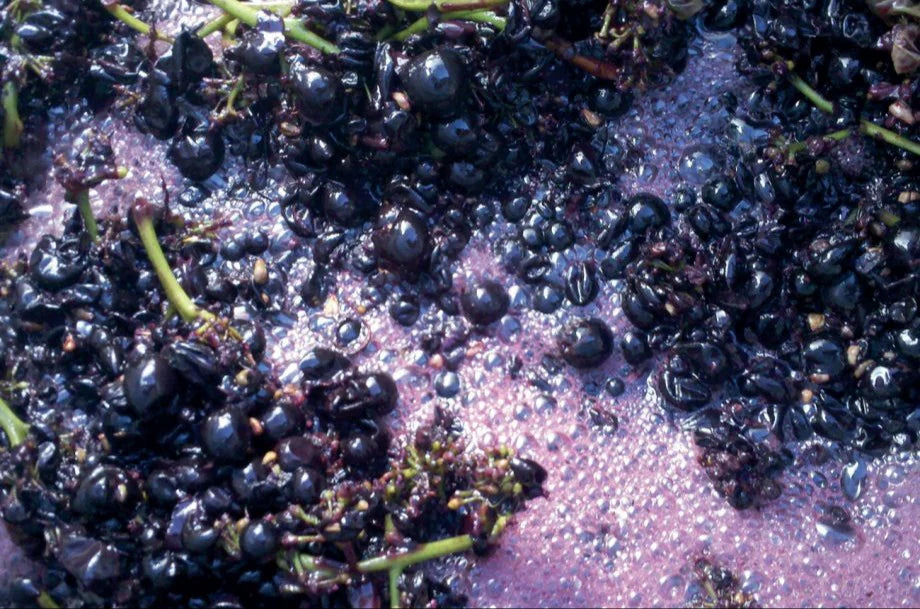
But let's get back to wine. The blue-red pigments are found in the grape skins, not in the juice. This is the key, because as we will explain in detail below, red wine is fermented with the skins, while for white and rosé wines, the skins are removed, and thus the reddish tint is lost. If the juice is extracted very quickly, the wine remains pink or even white (blanc de noir – white wine from red grapes).
The distinctive feature of red wines is that, in addition to coloring matter, they contain more tannins than white or rosé wines, which determine the taste of the wines. Tannins are powerful antioxidants.
Red Wine – as old as time
In the article "Wine – The Drink of the Gods" we told you about the role of wine in ancient cultures and traditions in general. Today, however, we will delve deep into the essence, history, creation, and daily life of red wine. Here are some curious details about the crimson beverage and the ancient people's perception of it:
- Egyptians associated red wine with blood and used it in many rituals as a form of sacrifice or a way to appease the gods.
- In Ancient Greece, red wine was used in spring fertility festivals as a drink of the gods, dedicated to Dionysus, a god beloved by all Greeks.
- In Judaism, red is central to the Kiddush – a prayer, a sanctification, associated with the celebration of major holidays and events. The sanctification occurs by drinking red wine before the ritual meal.
- Last but not least, in Christianity, red wine is used as a symbol of the blood of Christ during Holy Communion.
From Grapes to Red Perfection
We love our craft because it is age-old. Yes, of course, we have better storage vessels, modernized cellars, and innovations that streamline the process. Yet... what we do as winemakers today is the same as what happened in Greece and Persia over 6000 years ago!
Preparation
We carefully select and cultivate our grape varieties (usually dark red to dark blue in color), such as Merlot, Rubin, Pamid, Cabernet Sauvignon, and others. Dark grapes are harvested in the autumn, and the moment of harvest is crucial for achieving the best possible balance between acidity and sweetness, so that the acidity is masked, and if perceptible, it is so subtle that it rather adds individuality to the taste. And when it's time for wine production, the processes of pressing and/or crushing begin. In the past, grapes were primarily crushed, while in modern preparation, presses are used to separate the stems from the berries. And since we are making red wine, the skins and seeds are not separated from the mixture. They are extremely rich in a class of polyphenolic biomolecules (beneficial plant compounds, which we discussed in more detail in this article), called tannins, which give the wine its characteristic taste, aroma, and body.

Fermentation
Next comes fermentation, where with the help of yeast, the magic of wine happens. During this process, the desired sugar composition is achieved, which is usually around 22 – 24%. Fermentation usually occurs at a temperature of about 20 – 26 degrees Celsius, with its initial more vigorous part lasting about a week, after which the specific characteristics of the wine are formed at a slower pace. During fermentation, yeast and acidifying agents may be added to enhance the natural metabolism of the grapes.
This is followed by the processes of racking the wine from its lees, maturing the wine by exposing it to oxygen to achieve oxidation, after which the wine is bottled with a cork.

Choose red if...
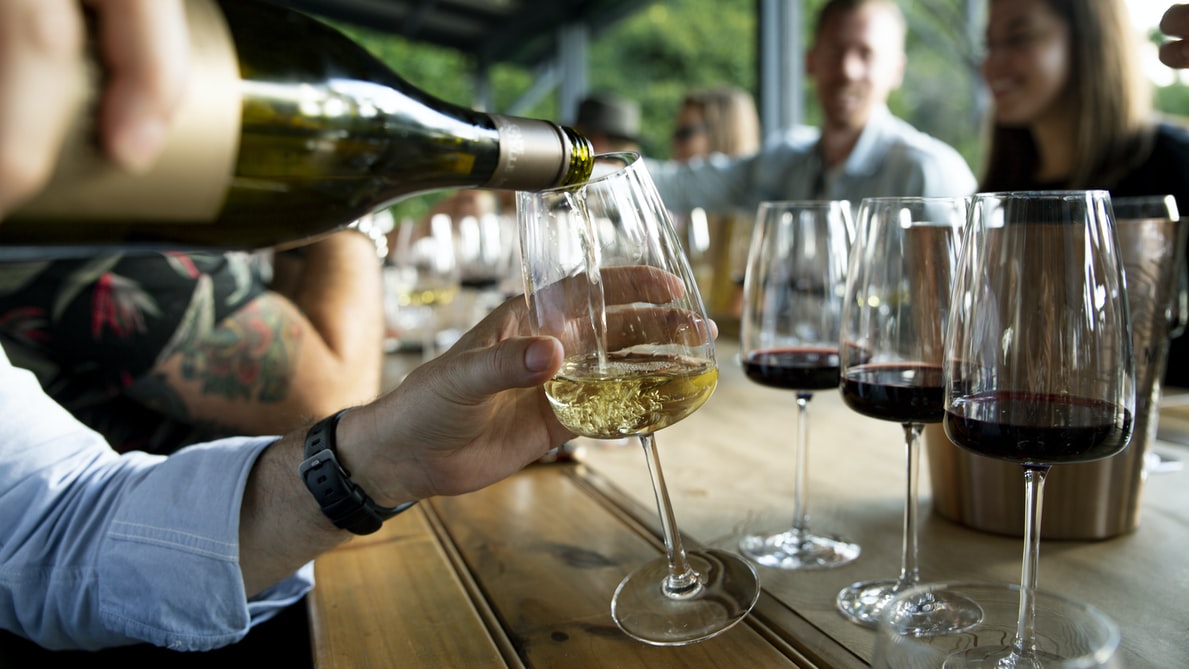
If forest fruits are your favorite, then red wine is the right choice. The nose and taste of the drink very often contain precisely these "berries" – currants, raspberries, blueberries, blackcurrants, chokeberries, and more! Of course, we also add some surprises for the senses, such as...
- Notes of cappuccino, black pepper, and vanilla in the exceptional ruby red Reserve Rubin 2018
- A nose with elegant notes of thyme, dry mint, sweet licorice, and nuts can be found in Assemblage Cabernet & Pamid & Rubin 2018
- Or why not violets and summer wild flowers and oregano in our Rubin without Makeup
How does your favorite wine say more than we think?
Did you know that red wine lovers share some common character traits? Well, here are some specific things observed by a study on the topic:
- Waking up earlier in the morning
- Tendency towards introversion
- Preference for dogs over cats
- Preference for calming music – swing, jazz
- Love for adventure, but also for organization and orderliness
- Preference for more luxurious and specific tastes and aromas
Of course, these are just possibilities, but did you recognize yourself in any of them?